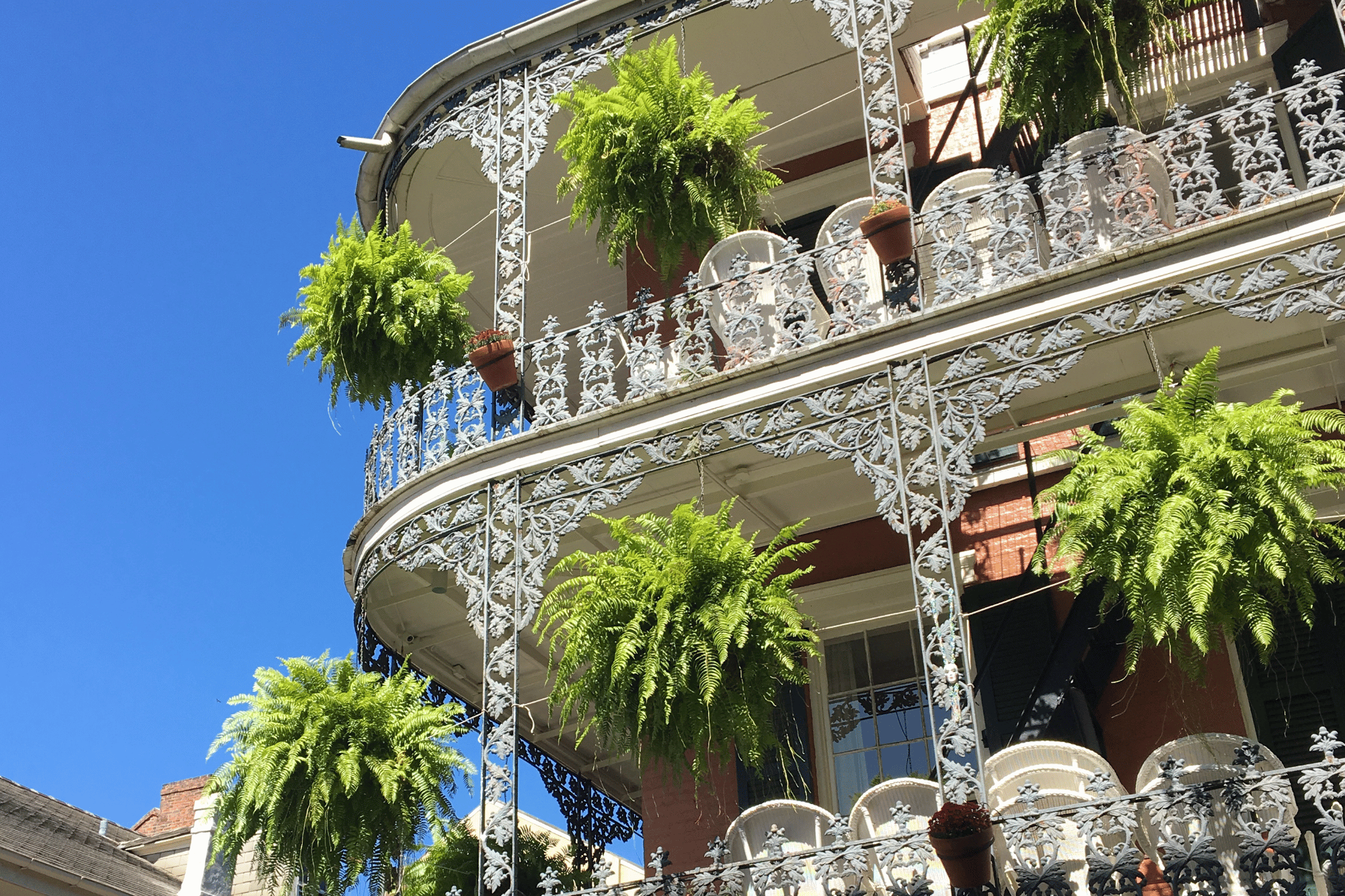
The garden district walking tour stands as one of New Orleans' most enchanting experiences, offering visitors a glimpse into the city's most prestigious historic neighborhood. This beautiful Garden District showcases stunning architectural styles, majestic oak trees, and rich history that dates back to the 1800s. Whether you're drawn by the lush gardens, famous mansions, or tree lined streets, a Garden District tour provides an unforgettable journey through one of America's most picturesque neighborhoods.
TLDR: Garden District Walking Tour Essentials
• Garden District walking tour showcases stunning antebellum mansions, Greek Revival architecture, and tree lined streets with majestic oak trees creating natural canopies
• Key stops include Buckner Mansion, Colonel Short's cornstalk fence, Lafayette Cemetery, and Magazine Street for shopping and dining
• Best visited during cooler morning or evening hours, with comfortable shoes essential for uneven sidewalks and 1-3 hour walking duration
• Combines rich history, famous residents like Anne Rice, and modern pop culture connections including American Horror Story filming locations
Experience the Garden District from Your Perfect Home Base
Ready to explore the enchanting Garden District and all that New Orleans has to offer? Make your walking tour part of an unforgettable getaway by staying in one of Roami's spacious, design-forward accommodations.
Our New Orleans properties provide the perfect launching point for your Garden District adventure, with fully equipped kitchens, comfortable spaces for groups, and locations that put you at the heart of the city's magic.
Book your New Orleans stay with Roami and discover why our guests choose us for authentic, memorable experiences in America's most captivating city.
What Makes the New Orleans Garden District Special
The New Orleans Garden District emerged in the 1840s as a luxurious residential area for wealthy American settlers. Unlike the French Creole architecture found in the French Quarter, this area showcases distinctly American architectural styles including Greek Revival, Victorian, and Italianate mansions. The neighborhood's tree lined streets create natural canopies over sidewalks, while lush gardens burst with magnolias, camellias, and Spanish moss-draped oaks.
Walking tours through this area reveal layers of fascinating stories. The Orleans Garden District served as the backdrop for countless literary works and films, making it a cultural treasure trove. From private residence mansions that cost millions today to historic churches and cemeteries, every block tells a unique story about New Orleans' evolution.
Tour Highlights You Can't Miss
Iconic Mansions and Architecture
Your district walking tour should include several must-see mansions that define the area's grandeur. The Buckner Mansion on Jackson Avenue stands as one of the most photographed homes, featuring classic Greek Revival elements and sprawling gardens. This private residence has appeared in numerous films and remains a prime example of antebellum architecture.
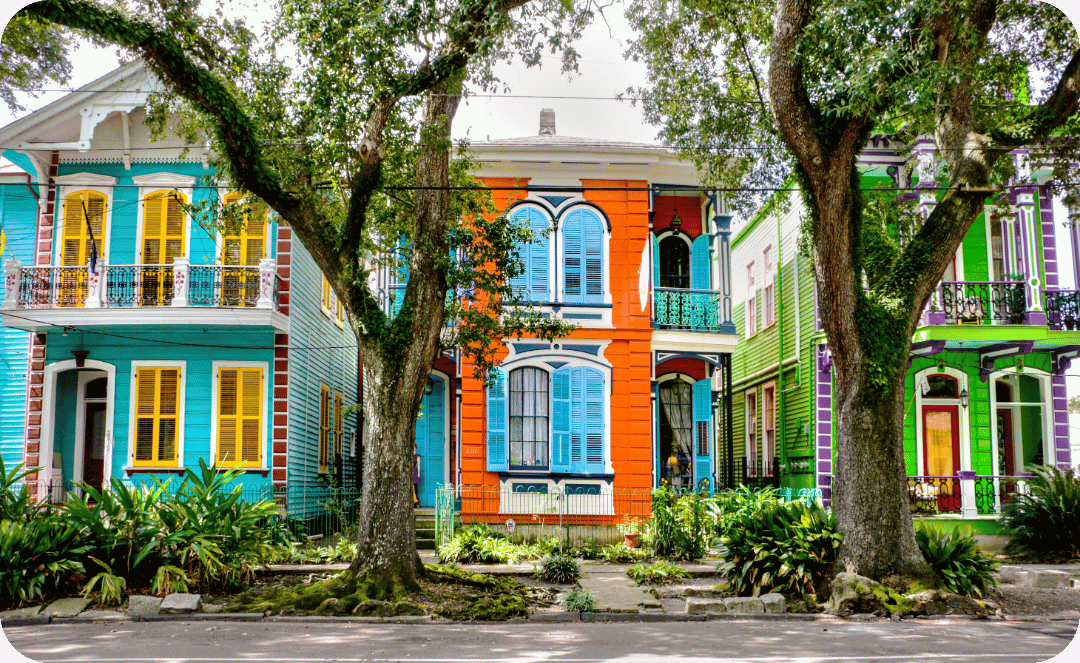
The Colonel Short's Villa showcases the famous cornstalk fence that draws thousands of visitors annually. Its intricate ironwork and garden setting make it a perfect representation of the rich history embedded in every street corner.
Famous Residents and Literary Connections
The Garden District has housed numerous celebrities and notable figures throughout its history. Anne Rice, the beloved vampire novelist, lived here and used the neighborhood as inspiration for her gothic tales. The area's famous residents have included authors, musicians, and Hollywood stars who've chosen this prestigious location for its privacy and beauty.
Many homes serve as private residence spaces for current celebrities, though visitors can admire the exteriors and gardens during their Garden District walking experience. The stories behind these homes add depth to any guided tour.
Magazine Street Shopping and Dining
Magazine Street forms the commercial heart adjacent to the residential Garden District. This vibrant stretch offers antique shops, boutiques, cafes, and restaurants that complement your walking tour perfectly. After exploring the mansions, visitors can browse unique finds or enjoy local cuisine just steps away from the historic homes.
The street extends for miles, but the Garden District section provides the perfect blend of shopping and architectural appreciation. Many explore more things to do in the Garden District beyond just the walking tour itself.
Planning Your Garden District Walking Experience
Best Times to Visit
New Orleans weather plays a crucial role in planning your garden district tour. Early morning or late afternoon visits offer the best lighting for photography while avoiding midday heat. The majestic oak trees provide some shade, but Louisiana's humidity can be intense during summer months.
Spring and fall present ideal conditions for walking tours, with comfortable temperatures and blooming gardens. Winter visits work well too, as many plants remain green year-round in this subtropical climate.
Self-Guided vs. Guided Tours
Both options offer unique advantages for exploring this historic neighborhood. Self-guided tours provide flexibility to spend extra time at locations that interest you most. You can create your own pace and focus on specific architectural styles or famous residents that catch your attention.
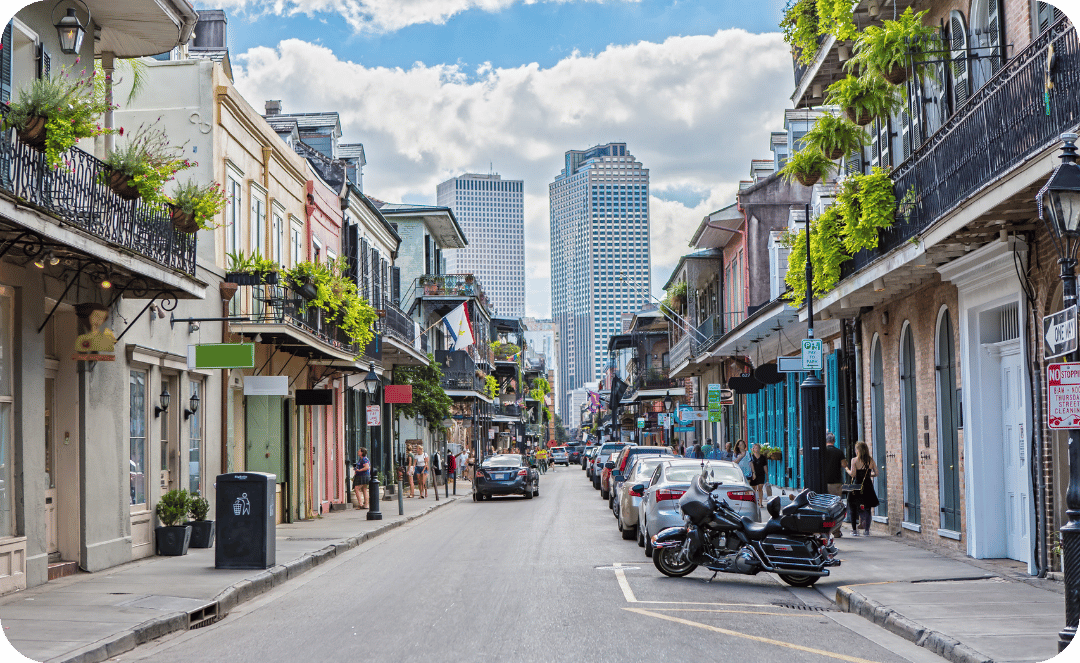
Guided tours offer expert knowledge about the area's rich history and access to stories you might miss on your own. Professional guides know which homes have the most interesting backgrounds and can share details about the tour highlights that make each location special.
For those planning a longer stay, consider planning your New Orleans weekend getaway to explore multiple neighborhoods and attractions throughout the city.
What to Bring and Expect
Comfortable walking shoes are essential for navigating the uneven sidewalks and cobblestones. Bring water, especially during warmer months, as the tour typically lasts 1-3 hours depending on your pace and stops.
Camera or smartphone for photography is a must - the lush gardens and stunning architecture provide countless photo opportunities. Many visitors find that the tree lined streets and majestic oak trees create perfect natural frames for mansion photography.
Respect for private residence properties is crucial. While you can photograph exteriors and enjoy the gardens visible from the street, remember these are people's homes. Stay on public sidewalks and keep noise levels appropriate for a residential area.
The Garden District connects beautifully with other New Orleans attractions. Consider extending your visit to discover other tours in New Orleans that showcase different aspects of this incredible city's culture and history.
Frequently Asked Questions
What is the Lafayette Cemetery significance during Garden District tours?
Lafayette Cemetery No. 1 sits at the heart of the Garden District and often serves as a starting or ending point for walking tours. This historic cemetery, established in 1833, features above-ground tombs typical of New Orleans burial practices. The cemetery's ornate sculptures and weathered monuments tell stories of the area's prominent families and yellow fever epidemics that shaped the neighborhood's early history.
How does American Horror Story connect to the Garden District walking experience?
American Horror Story: Coven filmed extensively throughout the Garden District, using several mansions as key locations. The Buckner Mansion served as Miss Robichaux's Academy for Exceptional Young Ladies in the series. Fans often include these filming locations in their walking tours, adding a modern pop culture element to the historic neighborhood experience. Many tour guides now incorporate these haunted locations into their regular routes.
Which famous residents have called the Garden District home throughout history?
The Garden District has attracted famous residents across multiple generations. Anne Rice lived on First Street and used the neighborhood as inspiration for her vampire chronicles. More recently, celebrities like Sandra Bullock, John Goodman, and Trent Reznor have owned homes here. Historical figures include wealthy merchants, sugar plantation owners, and prominent New Orleans families who built the grand mansions that define the area today.
What are the main tour highlights visitors should prioritize during their visit?
Essential tour highlights include the Buckner Mansion with its Greek Revival architecture, Colonel Short's Villa with the famous cornstalk fence, and the Commander's Palace restaurant area. The majestic oak trees along St. Charles Avenue create stunning natural canopies, while Magazine Street offers shopping and dining opportunities. Lafayette Cemetery provides historical context about 19th-century New Orleans burial practices and yellow fever impacts.
Are there New Orleans cemeteries beyond Lafayette that connect to Garden District history?
New Orleans cemeteries throughout the city share similar above-ground burial traditions, but Lafayette Cemetery No. 1 remains most directly connected to Garden District history. St. Louis Cemetery No. 1 in the French Quarter predates the Garden District development, while other cemeteries like Metairie Cemetery showcase later Victorian funeral art. Many walking tours focus specifically on Lafayette Cemetery due to its proximity and direct historical connections to Garden District families.
Which haunted locations in the Garden District attract paranormal tourism interest?
Several haunted locations draw visitors interested in New Orleans' supernatural reputation. The Buckner Mansion features ghost stories alongside its American Horror Story fame. Various mansions along Prytania Street report paranormal activity, while Lafayette Cemetery attracts visitors seeking ghostly encounters among the historic tombs. Many evening tours combine architectural appreciation with ghost stories, appealing to those interested in both history and New Orleans' mystical reputation.